

Know what stays. Know what goes.
The printable shows the full, upright design. Check the folding notes below before choosing how to prepare the sheet.
Preserve narrow connections between shapes. Loose shapes need a backing sheet or separate placement; the drawing has not been physically tested for connectivity.
From one A4 sheet to your paper cut
Keep this design flat
Work on one open sheet to keep the supplied outline and internal details in their original positions. This guide does not require a fold, including for designs with a balanced outline.
Start with a complete, uncut sheet. Each picture shows the paper before that step; red dashes mark only the next cuts. Keep the surrounding paper until the outside-cutting step.
1. Start with a full A4 sheet
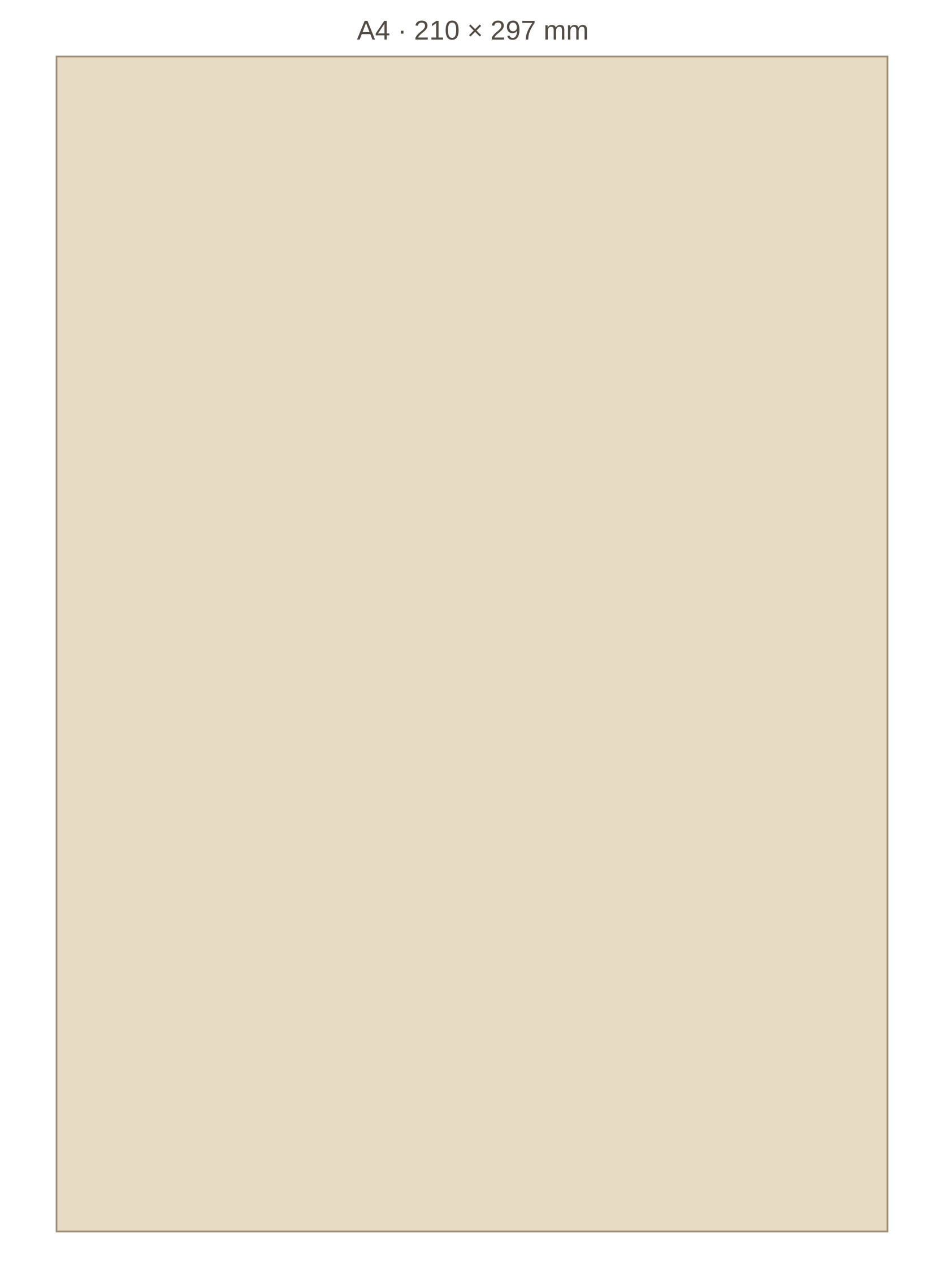
Take one blank A4 sheet (210 x 297 mm), preferably thin colored paper. Print PDF page 1 separately at 100% and check its 50 mm line. Center the pattern on your blank sheet; do not cut off the surrounding paper yet.
2. Transfer the complete drawing
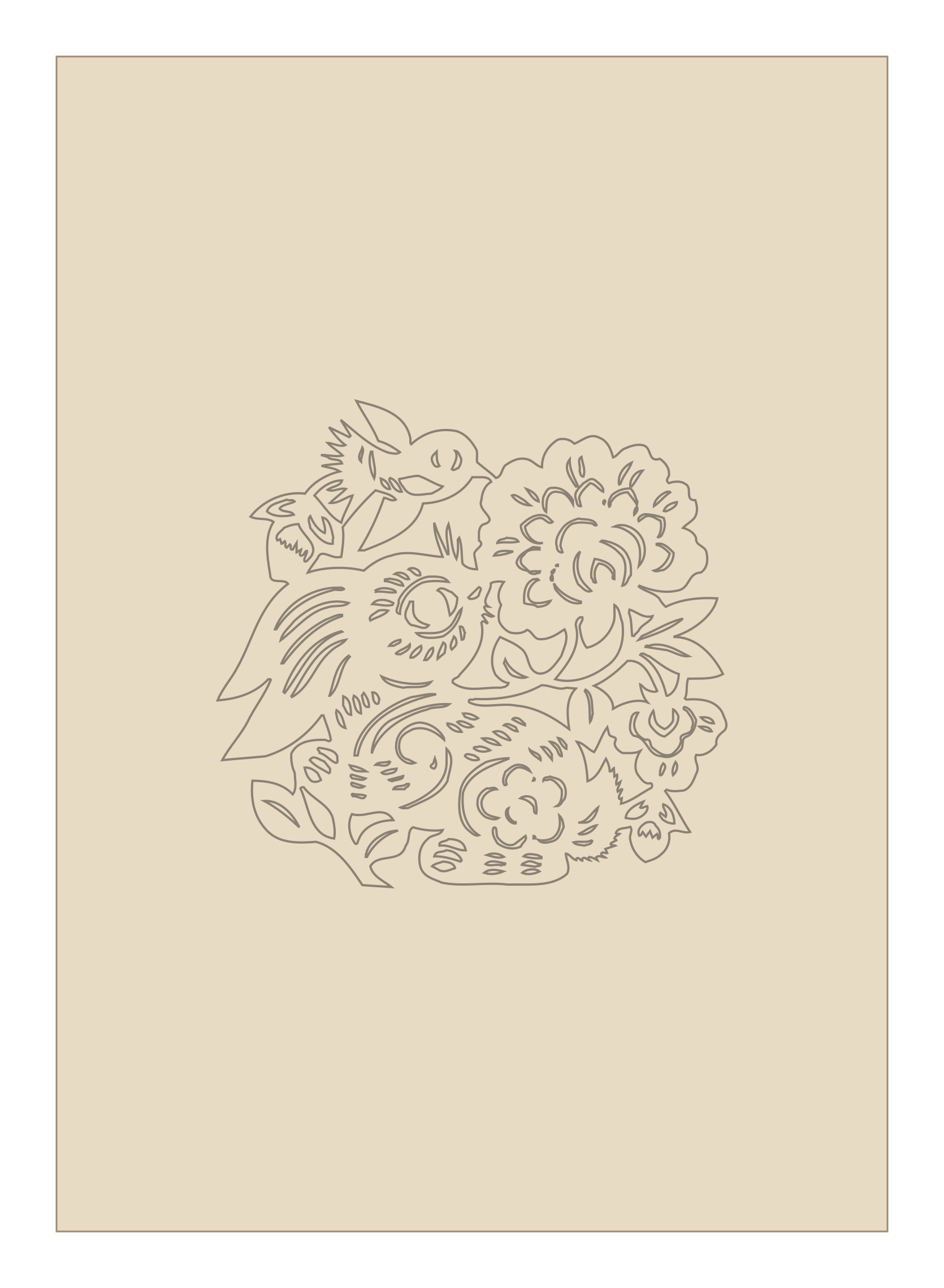
Tape or trace the complete full-size drawing onto the center of the blank sheet, keeping its original direction. The gray outline only shows placement. Keep the surrounding rectangle intact; repeated details do not mean this pattern should be folded.
3. Cut the inside first
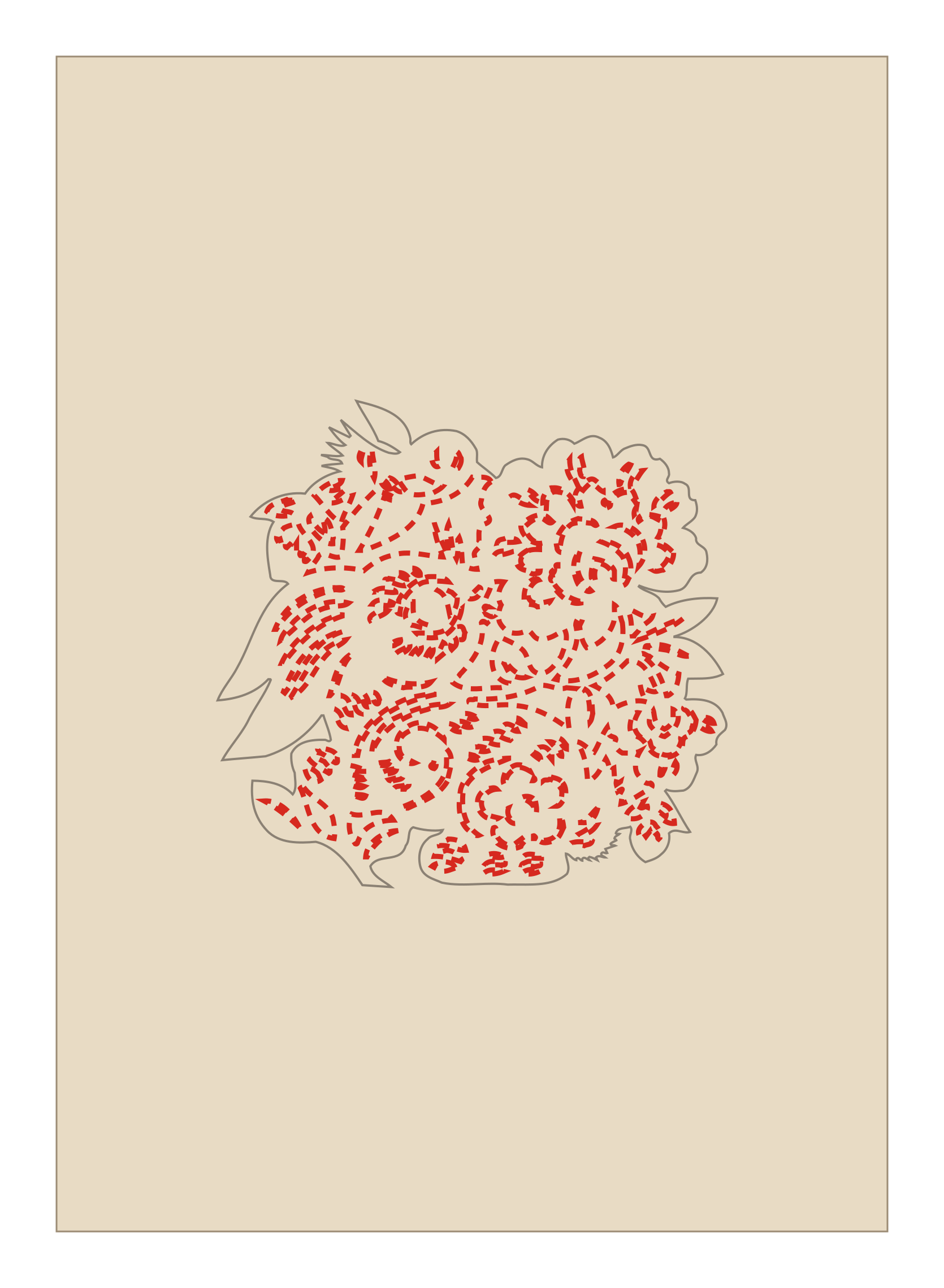
Cut the small enclosed openings, then the larger white areas. Work on a cutting mat, with an adult handling the craft knife. Make a small entry inside each area to be removed, then follow its red dashed boundary. Lift out the small piece. Keep all narrow black bridges and all surrounding paper in place for support.
4. Release the outside contour
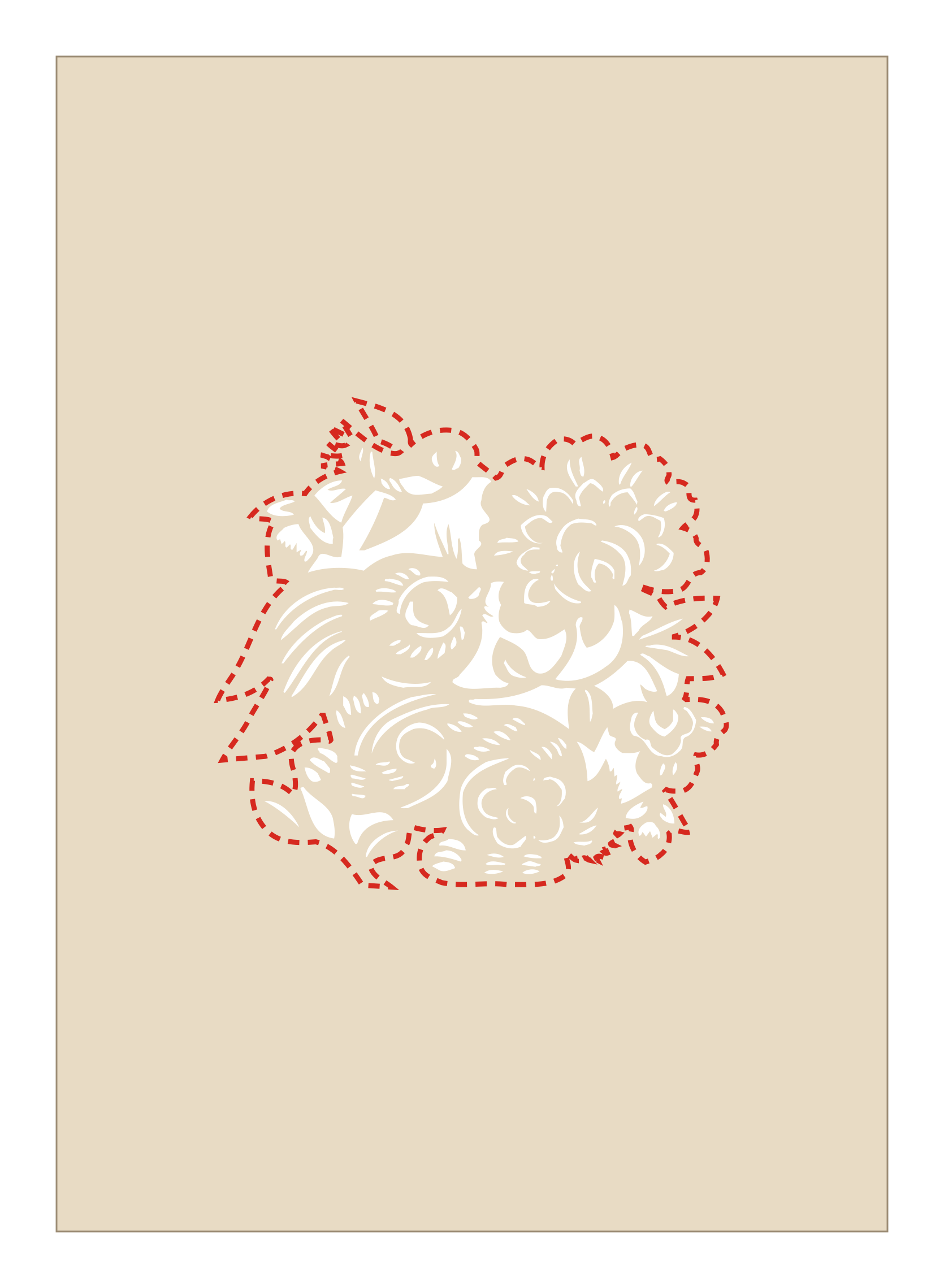
Start from an outside edge of the A4 sheet and approach the outline through waste paper. Follow the red outer boundary and remove the surrounding scrap. Support narrow sections with your free hand and preserve all narrow black bridges.
5. Lift and refine
Gently release the cut design from the surrounding offcuts. Lay it flat and trim only attached scraps or uneven edges. Preserve all narrow black bridges. A finished opening does not need to be cut again.
Use an open sheet to preserve this exact design. You can make a separate mirrored variation, but it will change the supplied pattern.
PDF page 1 is the clean full-size pattern; pages 2–3 show this complete sequence. A4 is the default; the Letter download uses a Letter sheet. Try a scrap first to check fragile bridges.
From download to paper cut
Choose your page size
Download the A4 or US Letter PDF to match the paper in your printer. Save the file before starting.
Print at actual size
Select 100% / Actual size, with “Fit to page” turned off. Measure the calibration line: it should be exactly 50 mm.
Choose the right preparation
Keep this design flat. Follow the illustrated sequence above, starting with a complete sheet. This PDF shows the complete upright drawing.
Attach or transfer the template
Use low-tack tape or a light pencil trace. For a folded method, transfer only the shared half or rough outer shape described above. For flat cutting, transfer the complete drawing.
Follow the cutting sequence
Follow the numbered illustrations from an uncut sheet. Cut only the red lines for the current step; keep the outer paper until its removal is shown. Adults should handle craft knives on a cutting mat.
Open and refine
Place the sheet flat against the full guide. Finish fine openings and trim uneven edges one layer at a time. Keep connecting bridges intact and support fragile sections.
Lift, flatten, and display
Release the template gently. Flatten the finished piece under a clean sheet of paper, then mount it on a contrasting backing or display it in a window.
A small kit, carefully chosen
- Thin colored paper that you can cut comfortably; test a scrap before committing.
- A printer with A4 or US Letter paper, plus a ruler to check scale.
- Small sharp scissors for accessible edges.
- A craft knife and self-healing mat for enclosed details.
- Low-tack tape or a pencil to hold or transfer the guide.
Allow 90–180 minutes. Planning estimate; no timed physical trial yet. Editorial estimate: dense small openings, fine borders, or fragile links. Not trial-cut. Start with a trial cut before preparing a class or group activity.
Learn about paper bridges and cutting techniquesAbout this template
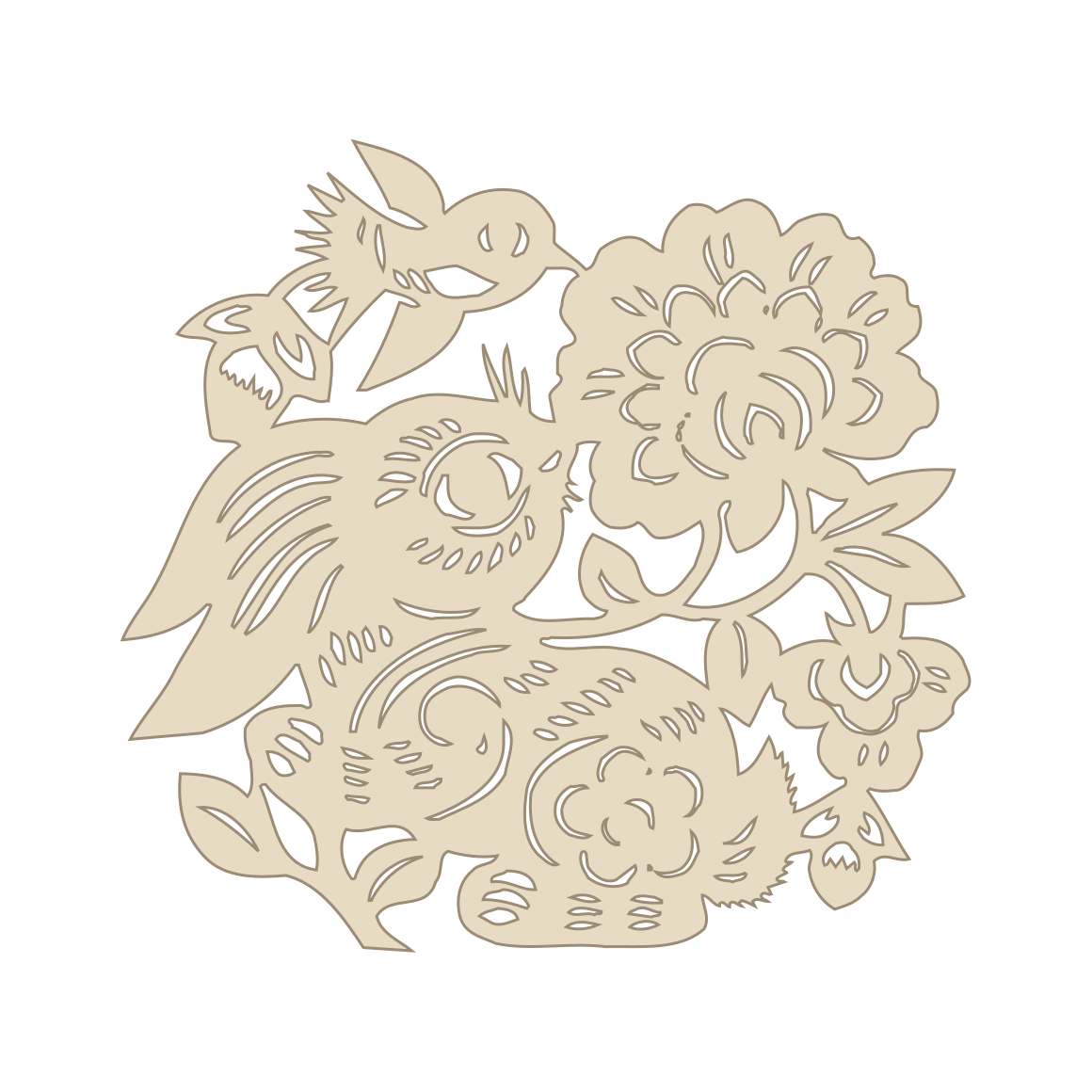
A decorated rabbit nestles among broad flowers, curling leaves, and a small bird. Clear the smallest enclosed details first and leave the surrounding sheet in place until the delicate links are finished. The PDF is a cutting study; the SVG contains editable vector outlines.
Meaning of the motif
Reunion & gentleness · Rabbit Wishes
Read the cultural context and sources for the recognizable motif. Its use can vary by occasion and tradition.